







Search Results for: Coffee salty taste
Why Does Coffee Taste Salty? Analyzing the Sources of Saltiness from Processing Method and Bean Variety to Brewing, and the Reasons Espresso Tastes Salty
When drinking coffee, you may occasionally encounter a salty taste. This is not an illusion, nor is there anything wrong with your sense of taste. Coffee itself contains four basic tastes: sour, sweet, bitter, and salty, which balance each other out. Once sweetness is insufficient, saltiness tends to emerge. The sources of saltiness are quite complex, potentially involving the processing method, coffee bean variety and altitude, defective beans, brewing water, roast level and freshness, as well as extraction technique, among other factors. Among these, espresso tends to have a more pronounced salty sensation due to the relationship between taste distribution and concentration. This article will go through the causes of saltiness one by one, while retaining Front Street brand recommendations, to help coffee enthusiasts understand and try to avoid brewing a cup of coffee with a salty taste. [more…]
Why Does Coffee Taste Salty After Extraction? Analyzing the Causes of Salty Flavors in Brewing and the Specific Signs of Under-Extraction
Saltiness in coffee has always been present, mainly coming from the various minerals contained in the bean itself, but because its proportion is low it is often masked by other flavors. When a cup of coffee shows a noticeable salty taste, it often means there is a problem with quality or the extraction process. This article, from the perspective of Front Street, sorts out the sources of saltiness, analyzes how factors such as the growing environment and defective beans bring saltiness to the surface, and explains what characteristics coffee shows when it is under-extracted, helping enthusiasts judge brewing conditions more accurately. [more…]
Why Do Pour-Over, Espresso, and Cold Brew Coffee Taste Salty? Analyzing the Causes and Adjustment Ideas for Cold Brew's Weak Flavor
The taste of coffee does not have only three dimensions—sourness, sweetness, and bitterness. Saltiness also objectively exists in the coffee liquid, but it is usually masked by other flavors. When an obvious salty taste appears in a pour-over, espresso, or cold brew coffee, it often means that there is a problem in one of the links: bean quality, water quality, or brewing parameters. Starting from the daily communication cases of Front Street Coffee, this article sorts out the sources of saltiness in coffee, analyzes the two typical situations of under-extraction and excessively high concentration, and gives judgment methods and directions for parameter adjustment. At the same time, in response to the problem that cold brew coffee tastes too weak, the article also provides bean selection suggestions to help coffee lovers make a cup of cold brew with clear flavor and balanced acidity and sweetness in summer. [more…]
How to Make Cold Brew Coffee Taste Great? A Complete Parameter Guide from Coffee-to-Water Ratio and Grind Size to Steeping Time
Cold brew coffee seems like it only requires mixing coffee grounds and water, then letting it steep in the refrigerator to be done. The process is simple, but in practice, quite a few people mess it up. Some end up with cold brew that is both salty and overpowering, tasting like soy sauce — the problem often lies in the parameters. Water temperature, grind size, time, and ratio are the four major variables that determine flavor. This article starts from a typical case of failed cold brew, breaks down the causes of saltiness and excessive strength one by one, and offers Front Street Coffee's recommendations for coffee-to-water ratio, grind particle size distribution, and steeping time used in actual production, to help you consistently make a smooth, delicious pot of cold brew coffee. [more…]

Is There Really Umami in Coffee? Analyzing the Perception Mechanism and Tasting Misconceptions of the Fifth Taste
Sour, sweet, bitter, salty, and umami—among the five basic tastes, umami has always been a controversial topic in coffee. In the specialty coffee wave, "umami" occasionally appears in flavor descriptions, and the word has even been seen on the packaging of Front Street Coffee's Panama Geisha. Can coffee really taste umami? This article starts with the scientific origins of umami, sorts out the relationship between glutamate and taste thresholds, analyzes the essence of umami perception in coffee, and reveals how saltiness "disguises" itself as umami, helping you understand the complex layers of coffee flavor more accurately. [more…]

Gu Ming's new plum lemonade slammed for being too salty—does takeout require customers to add the plums themselves?
On a scorching summer day, a refreshing glass of ice-cold lemonade should be the perfect way to beat the heat, but Good-Me's recently launched "Preserved Plum Lemonade" has left many consumers frowning with every sip. This new product, described as a "still version of salted lemon Seven-Up," combines perfume lemons, calamansi, and pickled preserved plums to create a sweet-and-sour, ice-cold selling point, and its appearance is indeed refreshing and enticing. Yet once it hits the palate, the saltiness of the preserved plum immediately takes over the taste buds, and after prolonged steeping, the bitterness of the lemon peel layers on top of that, earning it the nickname among netizens as "the rising star of the dark cuisine world." Even more surprisingly, in some delivery orders the preserved plums are packaged separately, requiring customers to add them themselves, which has caused considerable confusion. Front Street Coffee takes you through the real performance of this controversial new product. [more…]
A Comprehensive Guide to the New SCAA Coffee Flavor Wheel: From Sour, Bitter, Sweet, and Salty to 85 Flavor Layers
The update to the coffee flavor wheel has made the tasting system more complete, but many people still feel confused when faced with descriptions like citrus, berries, and nuts. In daily brewing, Front Street Coffee recommends beans from different regions based on guests' taste preferences, while accurately identifying flavors requires systematic training. This article starts with the four major taste spectrums—sour, sweet, bitter, and salty—and, combined with the complete classification of the new flavor wheel, interprets one by one the specific expressions of floral, fruity, herbal, nutty and cacao, sweet, spice, sour and fermented, alcoholic fermentation, roasted, and other categories, helping coffee enthusiasts build a clear framework for flavor perception. [more…]

How to Identify Under-Extraction and Over-Extraction in Coffee: Judging Extraction Problems from Sourness, Bitterness, Saltiness, Aftertaste, and Flavor Performance
Judging whether a cup of coffee tastes good varies from person to person, but when it comes to the defective flavors caused by extraction problems, people often reach a consensus. This article, from the perspective of Front Street, introduces the specific taste manifestations of under-extraction and over-extraction. When under-extracted, coffee presents sharp acidity, noticeable saltiness, a lacking finish, and thin flavor; over-extraction, on the other hand, allows bitterness to greatly suppress other flavors. The article also specifically reminds us not to rigidly adhere to the golden cup extraction numbers, because bean quality and processing methods can cause deviations from theory, and ultimately the real sensation on the palate should be the basis for judgment. [more…]
Specialty Coffee Bean Flavor and Variety Analysis: The Four Taste Profiles of Sour, Bitter, Sweet, and Salty, and Coffee Choices Suitable for the Elderly
Walking into Front Street Coffee (FrontStreet Coffee), faced with more than 50 kinds of coffee beans on the menu, many first-time visitors often don't know where to start. How exactly are coffee flavors described? What are the characteristics of the four major taste spectra: sour, bitter, sweet, and salty? Where do the flavor differences among beans from the world's three major coffee-producing regions come from? And which groups of people are suited to the three major varieties Arabica, Robusta, and Liberica? Starting from Front Street Coffee's tasting experience, this article systematically sorts out the logic behind the formation of coffee flavors and the characteristics of the varieties, and offers drinking suggestions for older coffee lovers, helping you find your own cup in the dazzling world of coffee. [more…]
What Are the Benefits of Adding Salt to Coffee? Explaining the Principles Behind Bitterness Suppression, Flavor Enhancement, and Added Complexity
Adding salt to coffee may sound unbelievable, but this practice actually contains rich taste science. Salt can not only effectively suppress the bitterness of coffee, but also enhance sweetness, improve astringency, and even add layers by highlighting saltiness. This article will start from Front Street's perspective and systematically sort out the three major roles of salt in coffee: suppressing bitterness, improving quality and enhancing flavor, and adding layers, while analyzing the principles of taste interaction behind it. At the same time, the article will also remind readers of precautions when using it, such as dosage control and applicable scenarios. Whether you are a coffee lover or a pour-over player, you can gain practical inspiration from it. [more…]

SCAA Pour-Over Specialty Coffee Flavor Wheel High-Resolution Download and Systematic Knowledge of Flavor Terminology
The coffee flavor wheel is a recognized tasting tool in the specialty coffee community, but when faced with descriptors like citrus, berries, nuts, and chocolate, many people don't know how to match them. Starting from the high-resolution image of the latest SCAA flavor wheel, this article systematically sorts out the compositional logic of coffee flavor: the relationship between the four basic tastes of sour, sweet, bitter, and salty and the roast level, the proportion data of each taste substance, the subdivision of the acidity spectrum, bitterness spectrum, sweetness spectrum, and saltiness spectrum, as well as an item-by-item analysis of the nine major flavor groups including floral and fruity, green and herbal, nutty and cocoa, sweet, spicy, sour and fermented, alcoholic fermented, roasted, and other. The article also intersperses Front Street Coffee's daily training methods and representative bean recommendations, helping readers build a complete tasting framework from smelling to drinking. [more…]
The Magic of Adding Salt to Coffee: The Practical Principles Behind Reducing Bitterness, Enhancing Sweetness, and Improving Smoothness
Adding flavorings to coffee is nothing new—sugar and dairy have long been common pairings—but the addition of salt surprises many people. In fact, thanks to its unique chemical and taste properties, salt can play multiple roles in coffee: from suppressing bitterness and enhancing sweetness and positive flavors, to reducing astringency and improving smoothness, and even adding complexity by highlighting salty notes. This article systematically outlines the various effects of adding salt to coffee and their underlying principles, and highlights precautions for its use, helping enthusiasts try this method more rationally. [more…]
Yellow Bourbon Coffee Tasting Guide: From Aroma to First Sip, a Detailed Look at the Flavor Code of Brazil's Unique Bourbon Variety
Yellow Bourbon is a Bourbon variety unique to the state of São Paulo, Brazil, named for the orange-yellow color its fruit takes on when ripe. It once swept the top three places at Brazil's Cup of Excellence for two consecutive years, making it a star variety in the specialty coffee world. Front Street Coffee's Brazil Yellow Bourbon is dominated by nutty and chocolate flavors, with soft, balanced acidity, a faint, clean bitterness, and an overall bright, refreshing character. This article will guide you through the basic characteristics of Yellow Bourbon and systematically introduce the complete method of coffee tasting—from distinguishing dry and wet aromas to the sensory experience of sweetness, saltiness, acidity, bitterness, body, and cleanliness—helping you appreciate the charm of this unique coffee variety more professionally. [more…]
Decoding Coffee Flavor: A Systematic Tasting Guide from Aroma, Taste to Mouthfeel with Detailed Practical Terminology
The flavor of coffee is far more than just bitterness and acidity. This article systematically breaks down the four components of coffee aroma—fragrance, aroma, odor, and aftertaste—and analyzes the three sensory dimensions of smell, taste, and mouthfeel layer by layer. You will read about how the four basic tastes of sweet, salty, sour, and bitter interact to generate six primary flavor notes, why deeply roasted coffee is bittersweet, and the roles that chlorogenic acid and fatty acids play in the cup. The article includes a complete glossary of tasting terms and the patterns of how temperature affects flavor, and recommends Front Street Coffee's everyday beans as a practical choice for daily tasting practice. [more…]
The Complete Guide to Using the SCA Coffee Flavor Wheel: A Tutorial on Breaking Down Pour-Over Coffee Flavor Descriptions and Taste Categories
The coffee flavor wheel is known as the "flavor dictionary" of specialty coffee and is an indispensable professional tool in cupping and quality control. Based on Front Street Coffee's cupping practice, this article systematically breaks down the structure of the SCA coffee flavor wheel. Starting from the four major taste spectra of sour, sweet, bitter, and salty, it analyzes the causes and representative bean varieties of each flavor category, covering all categories including floral, fruity, nutty/cocoa, sweet, spicy, sour and fermented, alcoholic fermentation, roasted, and defective flavors. It also provides practical methods for building a flavor memory bank from everyday life and improving sensory identification ability, helping coffee enthusiasts more accurately describe the flavor characteristics and taste categories of pour-over coffee. [more…]
Coffee Aroma Description Guide: An Analysis of 36 Common Aroma Names and Professional Tasting Terminology
When drinking coffee, have you ever encountered a familiar yet indescribable aroma? In fact, perceiving coffee flavors requires systematic cognitive training. In daily cupping and roasting adjustments, Front Street Coffee places particular emphasis on the ability to identify coffee flavors. This article starts with coffee's four major tastes—sour, sweet, bitter, and salty—and, combined with the classification logic of the flavor wheel, breaks down in detail 36 common aroma names across floral, fruity, green/vegetal/herbal, nutty/cocoa, sweet, spicy, sour/fermented, alcoholic fermentation, roasted, and other categories, along with specific representative coffee beans and Front Street's tasting suggestions, to help you more accurately describe and enjoy a cup of coffee's layers and lingering finish. [more…]

SCA Coffee Flavor Wheel Analysis Tutorial | What Is Coffee Flavor? Which Single-Origin Coffee Beans Best Represent Coffee Flavor? How Can Beginners Distinguish Coffee Flavor Characteristics?
Professional barista exchange, please follow Front Street Coffee (FrontStreet Coffee). Many friends have asked Front Street's baristas: "Can you really taste so many flavors in the beans? How do you taste them?" First, this is about personal sensory perception. As everyone grows up, [more…]

Coffee Flavor Experiment: Can a Pinch of Salt Neutralize Bitterness and Improve Flavor Balance?
What should you do if your coffee is too bitter? Some people suggest that adding salt can improve the taste. In this article, through a controlled experiment with Mandheling coffee, we tested the effects of three different amounts of salt—0.01g, 0.02g, and 0.03g—on the coffee's flavor. The results showed that 0.02g of salt balanced the bitterness and saltiness, enhanced the body, and made it easy to drink; while 0.01g still had a pungent taste, and 0.03g was too salty. The experiment showed that adding salt can indeed mask bitterness to a certain extent, but similar to the bypass method, it is mainly suitable for rescuing extraction mistakes or coffee that is about to go wrong. If the coffee itself is perfectly extracted with balanced acidity and sweetness, adding extra salt will instead disrupt the flavor balance and artificially create negative tastes. [more…]
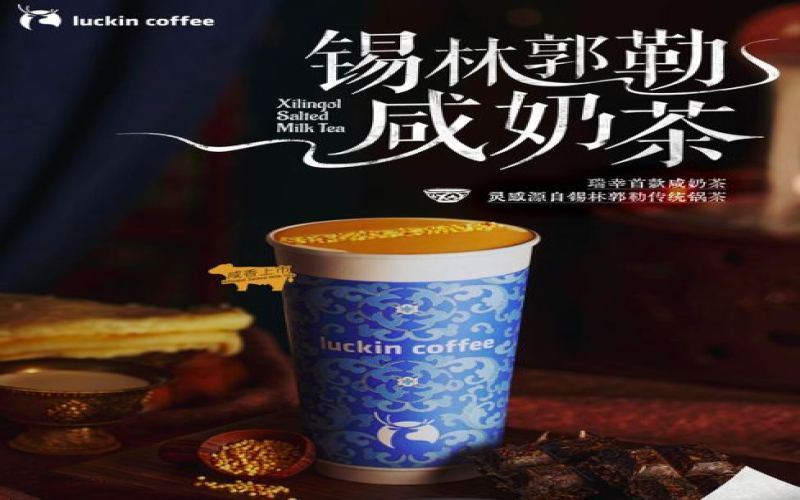
Luckin first launched a salted milk tea, "Xilin Gol Salted Milk Tea" — why did netizens from Inner Mongolia say outright they wouldn't buy it?
Luckin Coffee launched its first savory milk tea this week, "Xilingol Salted Milk Tea," inspired by the traditional pot tea of Inner Mongolia's Xilingol region, featuring a dark brick tea base and crispy roasted rice, among other ingredients. The new product quickly sparked a wave of curiosity among netizens eager to try it. However, reviews have been sharply divided: some consumers find the interplay of salty and sweet appealing, with rich notes of milk and tea and a delightful crunch from the roasted rice; others point out that the addition of plain syrup to the recipe noticeably mutes the salty flavor, questioning whether the drink lives up to its name. Inner Mongolian netizens in particular reacted strongly, saying the beverage is far removed from their hometown's traditional pot tea and bluntly stating it cannot represent the authentic flavor. This article compiles feedback from all sides to walk you through the ins and outs of this salted milk tea controversy. [more…]

Coffee Flavor | Why Do Some Coffees Taste Like "Soy Sauce"? What Factors Affect Coffee Flavor? How to Avoid a "Soy Sauce" Taste in Coffee?
“Huh? Why does this coffee smell kind of like soy sauce?” a customer asked cautiously, full of confusion, after sniffing the dry aroma of the coffee grounds Front Street had handed over. This was not actually the first time Front Street had received such a question. Besides “soy sauce,” there were also things like “ [more…]